Is Deer Hunting Hard in Hawaii? Here’s What You Need to Know
A lot of hunters ask us this before they book. And it's a fair question. Is deer hunting hard in Hawaii, or is it one of those trips where everyone goes home with a full cooler?
The honest answer is: it depends on the terrain and whether you have the right guide working alongside you.
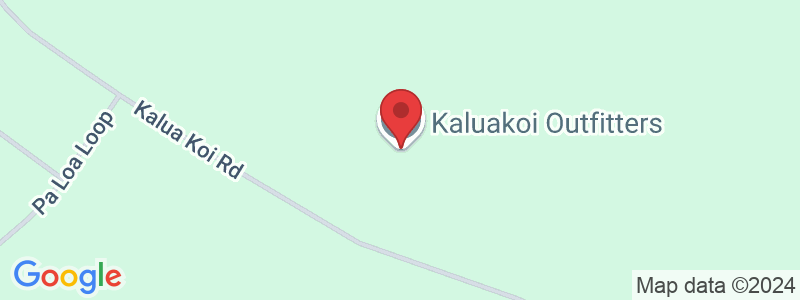
At Kaluakoi Outfitters, we hunt 3,000 acres of private land on the west side of Molokai. Our family has worked this ground for generations. We know what makes axis deer difficult, and we know how to put hunters on them. Here's what you need to understand before you arrive.
Is Deer Hunting Hard in Hawaii? What Makes Axis Deer Harder to Hunt Than Most North American Deer
Axis deer are not whitetails. If you've spent years hunting back home and you expect a similar experience, you'll be caught off guard.
These animals have three things working against you at all times. Their eyesight is sharp enough to pick up movement at long distances. Their sense of smell rivals any deer you've chased on the mainland. And because they move in herds, there are dozens of eyes on the landscape at once. One deer catches your scent or spots your silhouette, and the whole group is gone.
Experienced hunters often compare axis deer to whitetails on high alert. They're faster, more coordinated as a group, and they don't offer second chances easily.
Why Axis Deer on Molokai Are a Triple Threat
The herd dynamic is what catches most hunters by surprise. When you stalk a whitetail, you're usually working against one or two animals. When you stalk axis deer on Molokai, you're working against an entire group with overlapping senses covering every angle.
Axis deer are most active at dawn and dusk. During the heat of the day, they rest in shaded brush and stay close to cover. One alarm call from a single deer sends the rest into a sprint.
This is why patience and wind awareness are not optional on this hunt. They're the difference between a clean shot and a long walk back to camp empty-handed.
How the Terrain and Weather on Molokai Affect the Difficulty
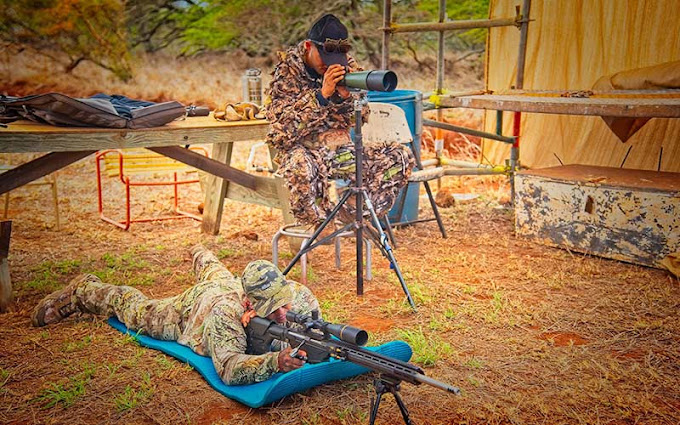
Molokai's landscape changes how you hunt. Our 3,000-acre grounds mix open scrub, rocky ridgelines, and thick brush. The open areas favor spot-and-stalk rifle hunting, where you glass from a distance, identify your animal, and close the gap carefully.
The terrain is rocky in sections and can be tough on your legs, especially if you're not used to uneven ground. We recommend binoculars and a shooting stick. Your guide will tell you what to expect for each day based on conditions.
Heat is a real factor. Hawaii's climate means you sweat through your gear before 9 a.m., and meat care after a harvest matters more than it does on a cool fall morning back home. Your guide handles the deboning and icing of your animal on our hunts, so that part is covered.
Wind management is the skill that separates a productive stalk from a blown opportunity. Play the wind wrong and the deer knows you're there before you see it. Your guide knows these grounds and will position you to keep the wind in your favor.
Does Hawaii Have a Deer Hunting Season, or Can You Hunt Year-Round
This is one of the biggest advantages Hawaii has over mainland hunting destinations. On private land on Molokai, axis deer have no closed season. You can hunt year-round.
Axis deer breed throughout the year, which means bucks cycle in and out of hard antler at different times. You're not waiting for a narrow rut window or scrambling to get tags before the season closes. That said, the dry season from roughly April through October gives you a practical edge.
During drier months, deer concentrate near water sources, which makes them easier to pattern and locate. The weather is more predictable, and the terrain is easier to cover without fighting mud. The wet season has its own advantages. Rain quiets your footsteps, and fresh vegetation draws deer out to feed in the open.
Our guides adjust the approach based on the time of year and current conditions. That local knowledge is something you can't replicate from a trip report.
Is Guided Axis Deer Hunting in Hawaii Worth It for First-Timers
If you don't know the land and you don't have private access, a beginner guided hunt is the only way to do this right. Public land hunting in Hawaii involves permit systems, limited access, and no guarantee of seeing deer in productive numbers.
On private land with Kaluakoi Outfitters, you hunt 3,000 acres that second and third generation guides know down to the water holes and shade trees. You're not guessing where the deer are. Your guide has watched these animals move across this ground their whole lives.
Rifle vs. Bow: Which Method Is Right for Your First Hawaii Deer Hunt
For most first-timers, guided rifle hunting is the right call. Molokai's open terrain suits longer-range shots, and the spot-and-stalk method gives you control over the distance before you commit. We require a minimum caliber of .223, and we have a wide assortment of firearms available for rent if you don't want to travel with your own.
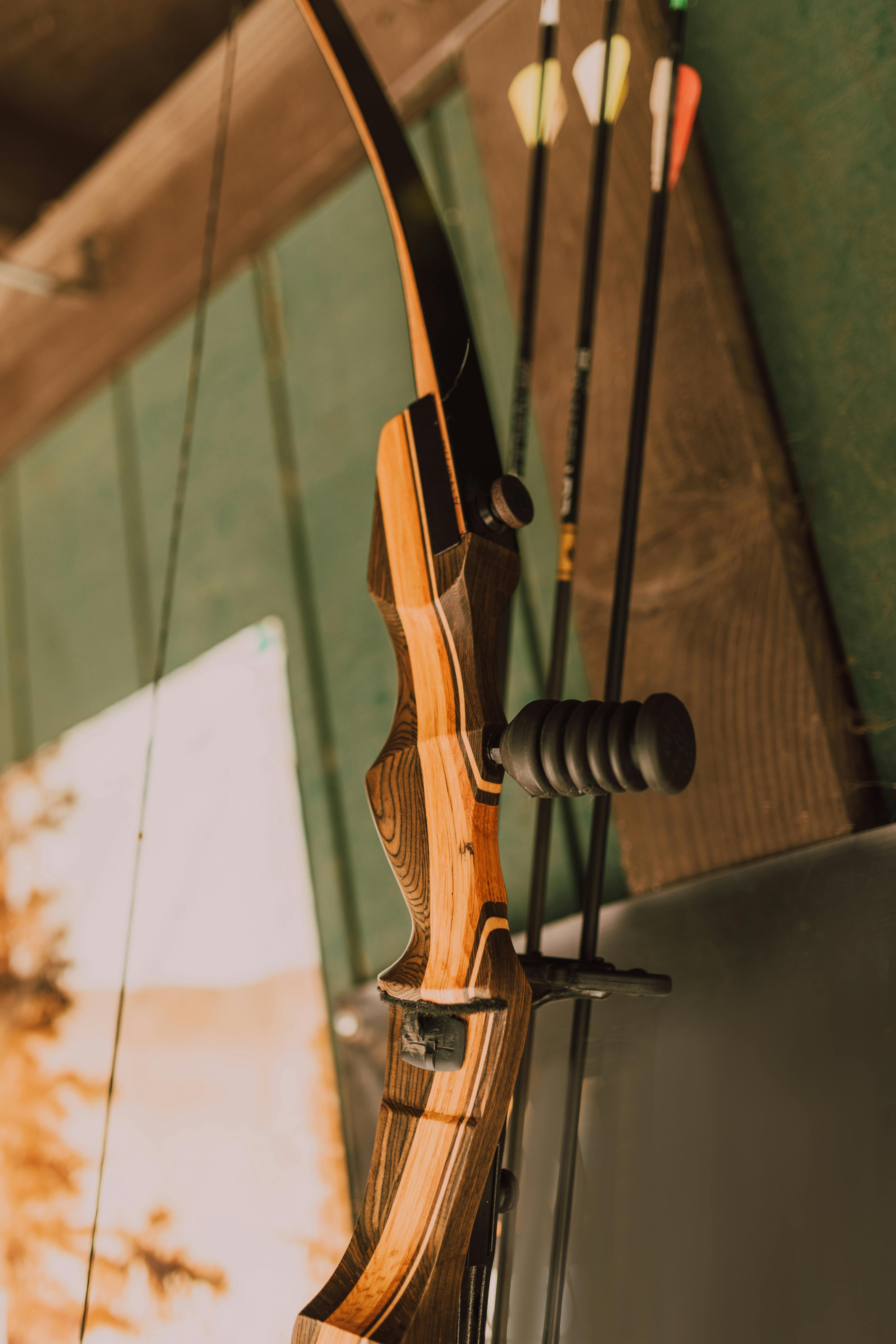
Bow hunting axis deer is a real challenge. These animals are fast and alert, and closing to archery distance requires multiple stalk attempts on most days. Bowhunters are welcome at Kaluakoi Outfitters, but you should come in with realistic expectations. If this is your first axis deer hunt, a rifle puts the odds more in your favor.
How to Book a Deer Hunting Trip in Hawaii With Kaluakoi Outfitters
Kaluakoi Outfitters is a family-owned operation. We carry the spirit of aloha into every hunt, and we want you to leave Molokai with a real experience, not just a trophy. Is deer hunting hard in Hawaii? It can be. But with the right people guiding you across the right land, it's absolutely achievable, and worth every step.
Reach out today and reserve your spot.