How to Hunt Deer for Beginners on Molokai
If you've never hunted deer before, Molokai might be the best place in the United States to start. The island has one of the highest axis deer populations of any hunting destination in the country, a year-round season on most private land, and guided hunt options that take most of the guesswork off your plate on your first trip out.
That said, knowing how to hunt deer for beginners on Molokai means understanding that this isn't a standard mainland deer hunt. The animal is different, the terrain is different, and the licensing process requires more steps than most new hunters expect.
This guide walks you through everything, from what axis deer actually are to how you get your license, what gear you need, and how to execute a first hunt on island terrain.
What Makes Molokai a Good Starting Point for Beginner Deer Hunters
Most states require new hunters to wait for a narrow season window, compete for limited public land access, and hunt an animal that can be genuinely hard to find. Molokai flips that dynamic.
Axis deer season runs year-round on private land, and experienced outfitters on the island see large numbers of deer daily on well-managed properties. For a first-time hunter, that kind of consistent deer presence matters. You're not spending your entire hunt wondering if there are even animals in the area.
Molokai is known for bigger trophy bucks compared to other Hawaiian islands, and the island's guided private land hunts give beginners access to experienced local hunting guides who know the terrain, the deer patterns, and how to put a new hunter in a position to succeed.
Public land exists on Molokai, but access is limited and lottery-based. For your first hunt, private land with a guide from Kaluakoi Outfitters is the practical choice.
What Axis Deer Are and Why Beginners Need to Know the Difference
Axis deer are not whitetail deer. If your only frame of reference for deer hunting comes from the mainland, you need to reset your expectations before you arrive.
Axis deer were first introduced to Hawaii in the 1860s as a gift to King Kamehameha V. With no natural predators and ideal tropical conditions, they spread across Molokai, Maui, and Lanai. They're now one of the most hunted animals in the state, and for good reason: the meat is widely considered some of the best wild venison available anywhere.
In size, axis deer fall somewhere between a large whitetail and a small elk. They're fast, spotted, and almost always moving in groups. That last point matters for beginners. When one deer in the herd spots you or catches your scent, every deer in the area knows about it within seconds.
How Axis Deer Use Their Senses Against You
Axis deer rely on three primary defenses: eyesight, hearing, and smell.
They can see from far, they can smell from far, and because their numbers are so high they have eyes everywhere. At least one animal in any group is always on alert. A single wrong move, a shift in the wind, or a foot placed too hard on dry ground can end your stalk before it starts.
Understanding this before your first hunt changes how you prepare. You move slower than feels necessary. You glass more than you walk. You check the wind before every approach. These habits are the foundation of how to hunt deer for beginners on Molokai, and they apply on every single outing regardless of experience level.
Rifle vs. Bow for Your First Axis Deer Hunt
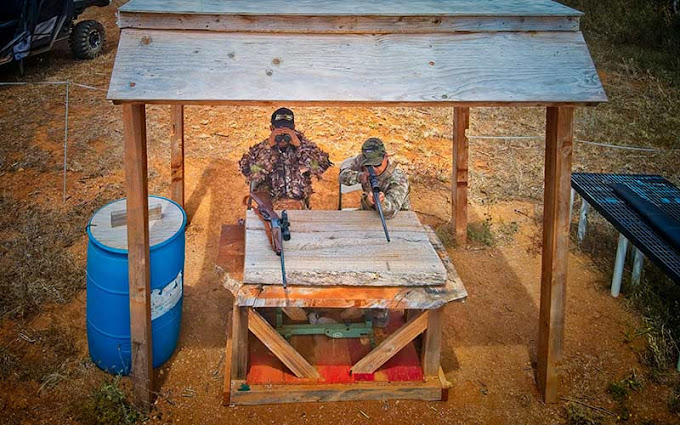
Most beginners on Molokai hunting start with a rifle, and that's a reasonable choice. Recommended calibers include .270, .308, and 6.5 Creedmoor. Rifle hunting on open terrain allows you to engage deer at practical distances without needing to close the gap to archery range, which is a significant physical and tactical challenge even for experienced hunters.
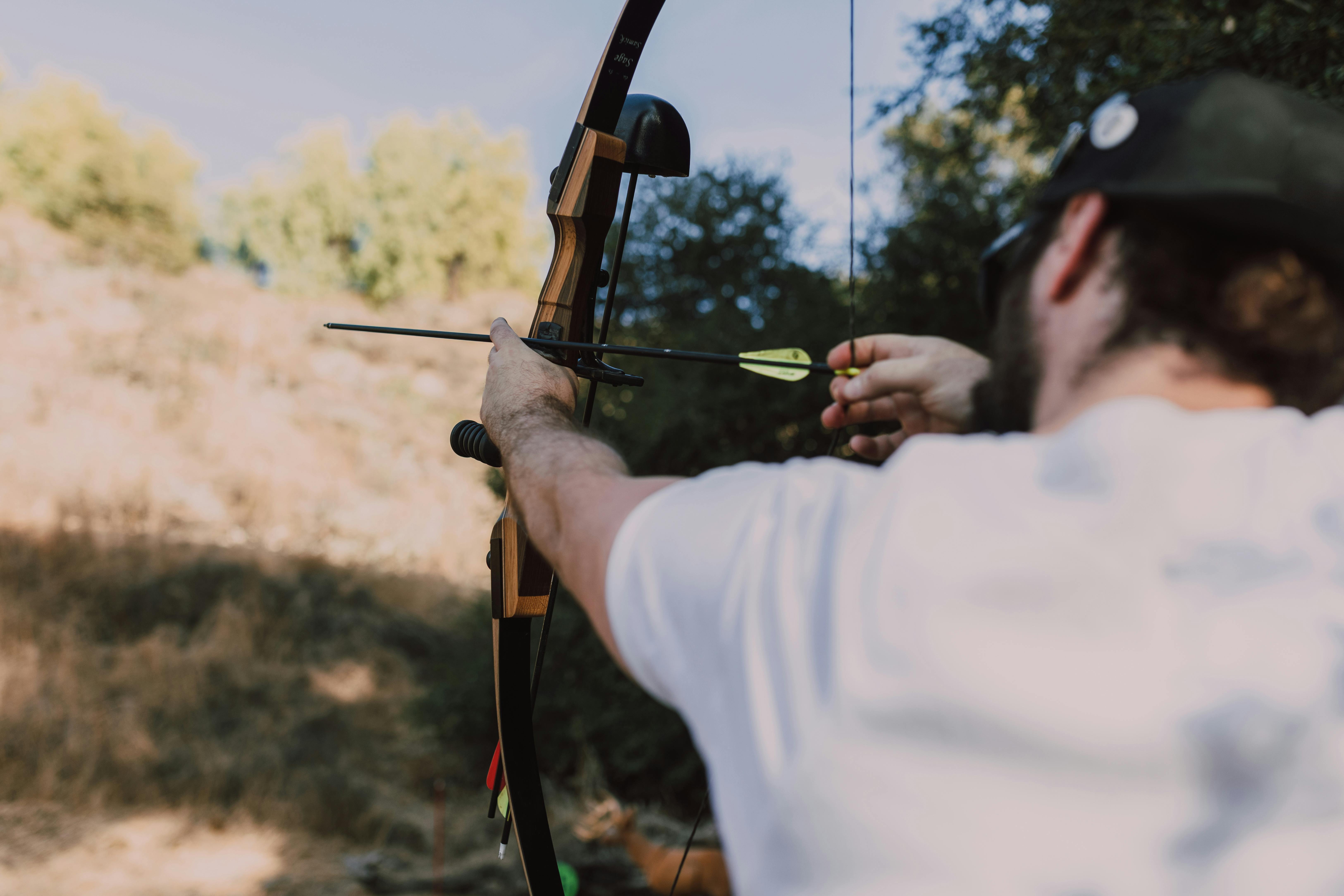
Bow hunting requires closer stalking and favors terrain with good cover to close distances. Expect higher physical demands and prepare for longer recovery planning.
If this is your first deer hunt, a rifle gives you more margin for error and a better chance at a clean, ethical shot on an animal that does not give you much time to hesitate.
How to Hunt Deer for Beginners Using Spot and Stalk on Molokai
Spot and stalk is the primary method used on Molokai, and it's exactly what it sounds like: you find deer from a distance before you move on them.
Glass constantly. Use high ground in the morning and evening. You'll spot far more deer this way than by hiking around.
Once you locate a deer or group, you plan your approach based on wind direction. Playing the wind should be your priority. Keeping your wind right is a major factor in finding success because a spooked axis deer will run away seemingly forever.
Move slow. Stop often. Re-glass after every reposition to confirm where the deer are before you close the distance further. Use rocks, slopes, and brush to stay out of the deer's line of sight, and never skyline yourself on a ridge.
The dry season, roughly April through October, is your best opportunity. Deer tend to concentrate around water sources during this period, which makes their movement more predictable and easier to pattern for a first-time hunter.
Why First-Time Hunters on Molokai Should Book a Guided Hunt
Most of Molokai's axis deer population lives on private land. Public hunting areas exist, but access is competitive, terrain knowledge matters enormously, and a first-time hunter without local experience faces a steep learning curve on both fronts.
A guided hunt on private land removes most of those barriers. Your guide knows where the deer move at different times of day, which terrain features funnel animals toward predictable locations, and how to handle the post-harvest logistics of meat care in a warm climate. That last point is easy to overlook until you're standing over a deer in 85-degree heat with no plan.
For hunters traveling from off-island, guides also often handle lodging recommendations and transport logistics, saving time and reducing uncertainty. Self-guided hunts require proactive permit acquisition, scouting, transport planning, and pre-arranged processing options.
If you're learning how to hunt deer for beginners in a new environment, a guide is not a shortcut. It's a practical decision that increases your chances of a safe, legal, and successful first hunt.